Getting regular exercise during pregnancy can often help reduce any physical discomforts. It can also help with recovery after your baby is born. But talk with your healthcare provider or midwife before starting an exercise program.
Physical activity may be especially good for people with gestational diabetes. The American College of Obstetricians and Gynecologists says that people who exercise and are physically fit before pregnancy can safely continue exercising throughout the pregnancy. People who weren't active before pregnancy or who have health or pregnancy complications should talk with their healthcare provider or midwife before starting any exercise during pregnancy.
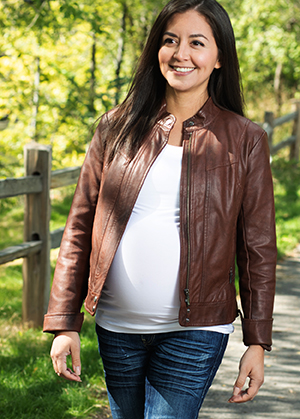
All people should be assessed by their healthcare provider or midwife before starting or continuing an exercise program in pregnancy.
Exercise may not be safe if you have any of these conditions:
-
Preterm labor in current or past pregnancies
-
Vaginal bleeding
-
Cervical problems
-
Leaking of amniotic fluid
-
Shortness of breath
-
Dizziness or fainting
-
Decreased fetal activity or other complications
-
Increased heart rate (tachycardia), although heart rate is often higher in pregnant people
-
Certain health problems, such as high blood pressure or heart disease
Don't do these types of exercise during pregnancy
Here are some exercises you should not do while pregnant:
-
Horseback riding
-
Water skiing
-
Scuba diving
-
High-altitude skiing
-
Contact sports
-
Any exercise that can cause a serious fall
-
Exercising on your back after the first trimester. This is because of reduced blood flow to the uterus.
-
Vigorous exercise in hot, humid weather. Pregnant people are less able to get rid of extra heat.
-
Exercise that makes you hold your breath. This can cause more pressure in your belly (abdomen).
Featured in
Date Last Reviewed: 08/31/2025
© 2000-2026 The StayWell Company, LLC. All rights reserved. This information is not intended as a substitute for professional medical care. Always follow your healthcare professional's instructions.